Repair or Replace: How an Installer Judges an Old Window in Austin
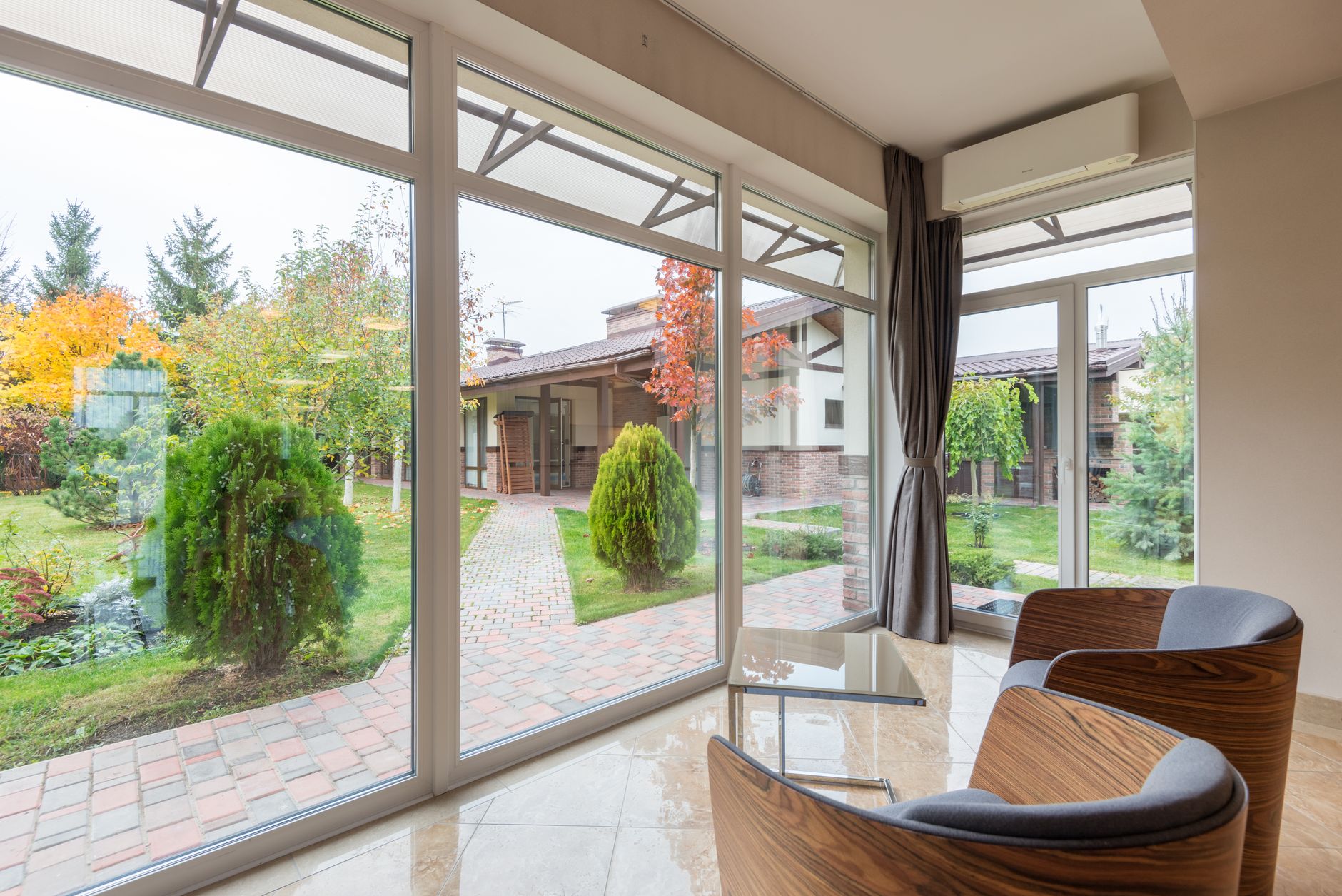
An old window in an Austin house rarely fails all at once. It sticks in July, rattles in a March front, fogs between the panes on the west side, and for years nobody does anything about it. At some point someone asks whether it can be repaired or whether the whole unit has to come out. Installers answer that question the same way every time: they test the parts, one at a time, and let the results decide.
What does an installer look at first?
The first look is at the frame, not the glass. A frame is the part that cannot be cheaply fixed, and every other decision depends on it. The installer presses a screwdriver tip into the sill, the lower jamb and the corners of a wood frame. Firm wood that resists the tip is sound. Wood that gives way like a damp sponge is not, and a frame with soft sections in more than one place is usually past repair.
Next comes the operation. A double hung sash should slide with two fingers and stay where it is left. A casement should crank without grinding and close tight against the weatherstrip. A slider should roll without lifting. Each of these has a part that wears, and some of those parts, such as balances, rollers and operators, are replaceable. When the part is available and the frame is sound, repair is a sensible answer.
Why does the glass tell part of the story?
Fog or a milky film between two panes of an insulated glass unit means the seal around the edge has failed and moist air has gotten in. That is a seal failure, and it cannot be cleaned out. The glass itself can be replaced in some frames, which takes less labour than replacing the entire window, but only if the frame is in good shape and the unit is a standard size.
A single pane in an older wood sash is a different case. Single glass loses and gains heat quickly, and on a south or west wall in Austin the room shows it by mid afternoon. Some homeowners accept that in a sunroom or a pantry and spend the effort on the windows that matter more, such as the bedrooms. An installer may suggest replacing only the openings that face the afternoon sun and leaving the shaded ones alone.
How do older neighborhoods change the decision?
Houses in Hyde Park, Clarksville and Tarrytown were built with wood windows that suit the style of the house, and many still carry original trim. Replacing a unit can change the look of the front of a home, so installers weigh that with the homeowner. A wood window that can be restored keeps the character of the street. A window beyond repair gets a replacement matched to the original sightlines, such as the same grille pattern or the same number of lites.
Newer construction in Mueller or along the Colorado River corridor leans on vinyl window frames, fiberglass window frames and aluminum window frames. Those do not rot, but they do fail in other ways: sealant lets go, tracks warp in heat, hardware loosens. Repair in those frames is usually limited to hardware and glass, since a bent or cracked frame is not fixable.
What does lead paint add to the question?
In an older house, scraping and sanding a painted sash to restore it releases dust. Paint from decades ago may contain lead, so installers treat any older sash as suspect before work starts. Wet methods, plastic sheeting, a HEPA vacuum and sealed disposal are the usual routine. Restoration takes more hours around the sash, and that is a real factor when choosing between a repair and a replacement unit that goes in without disturbing the old paint on the trim.
When is replacement clearly the better call?
Several signs point the same way. A rotted frame in more than one place. A sash that has been painted shut so many times it will not move. Multiple panes with failed seals. Hardware that is no longer made. An opening so far out of square that every repair leaves it binding again. When two or three of these show up together, installers stop discussing repair, because the next problem is already on its way.
Replacement also becomes the better call when comfort is the reason for the call. A bedroom that heats up every afternoon, a living room with a picture window that fades the floor, a kitchen window with a draft felt from across the room: these are problems of glass and sealing, and new insulated glass with a low e coating and a warm edge spacer addresses them directly. The u factor and shgc on the label give a way to compare units, and lower numbers mean less heat moving through.
What does a repair actually involve?
A repair visit usually runs through a short list. Sash cords or balances are replaced. Weatherstripping is renewed. A cracked pane is swapped. A latch or crank is changed. A sill with a small soft spot is cut back and filled with epoxy, then primed and painted. None of this is complicated, but it takes a careful hand, and the aim is to leave a window that works as the maker intended.
A repair also has a limit. A fix that holds for a year is a fine result on an old window. A fix that needs a return visit every season is a sign that the frame is telling the truth and the installer should listen.
Questions homeowners ask
Can one window be replaced without touching the others?
Yes. A replacement unit is built for a single opening, and the rest of the house stays as it was. The one caution is appearance: if the new unit has a different frame color or grille pattern, it will stand out from the front of the house, so installers match the style as closely as the frame material allows.
Is a stuck window a sign of a bad frame?
Not always. Paint on the track or stop is the most common cause, and a careful scoring of the paint line frees many windows. A sash that sticks again within weeks, or one that visibly sits crooked in the frame, points to movement in the wall and needs a closer look at the opening.
Does a fogged window need to be replaced right away?
No. A fogged unit has lost its seal, but the glass still works as a barrier. It will not insulate as well as it did, and the fog tends to spread, so the glass can be replaced when convenient. A fogged window that also has a soft frame is a different matter, because the frame decides the schedule.
What happens at the end of either job?
The final walk-through. The installer opens and closes each sash, checks the locks, looks for gaps in the sealant and runs a hand along the trim. A window that was repaired should feel the same or better than before. A window that was replaced should sit square, move easily and show no light around the frame.
The decision between repair and replacement comes down to the frame, the glass and the opening. When all three are sound, repair keeps the window going. When any of them has failed, replacing the unit is the work that lasts.