Brick, Stucco and Siding Around a New Window

The dull crunch of a pry bar against old stucco tells an installer more than the paperwork does. Every teardown that window installers austin healthy home mkt has logged shows the same thing: the wall around the opening decides how the old unit comes out and how the new window goes in. Austin, TX houses are clad in brick, stucco and lap siding, often on the same street, and each one asks for a different method.
Brick and brick mould
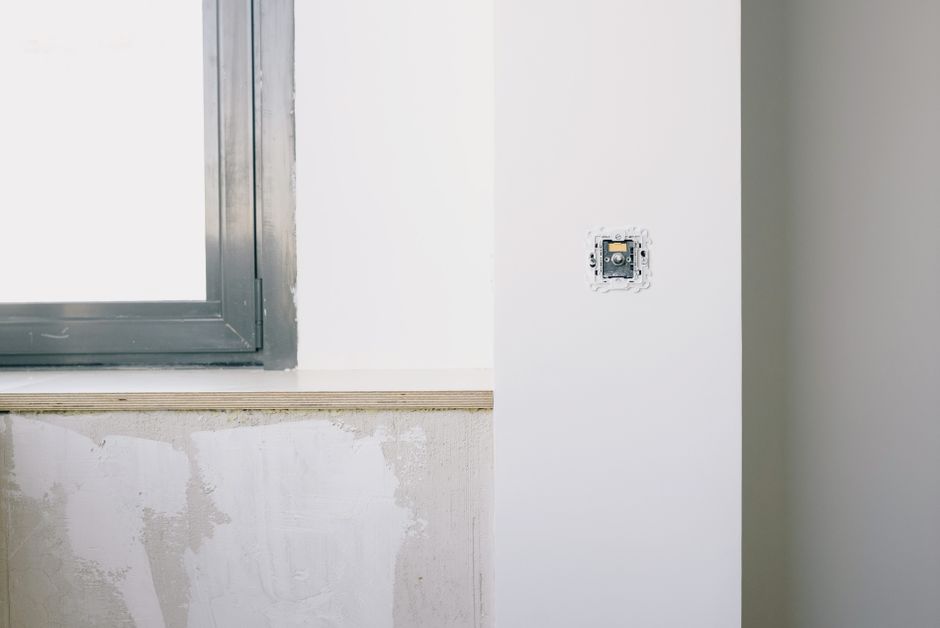
A brick veneer house usually carries a wood or composite brick mould around the frame, the trim that bridges the gap between the window and the masonry. Installers cut the old caulk, back the mould off carefully, and keep the brick faces untouched, because a chipped brick cannot be patched invisibly. The new unit sits in the same pocket, and the brick mould goes back, or is replaced with a matching profile, over fresh sealant.
Stucco and the return
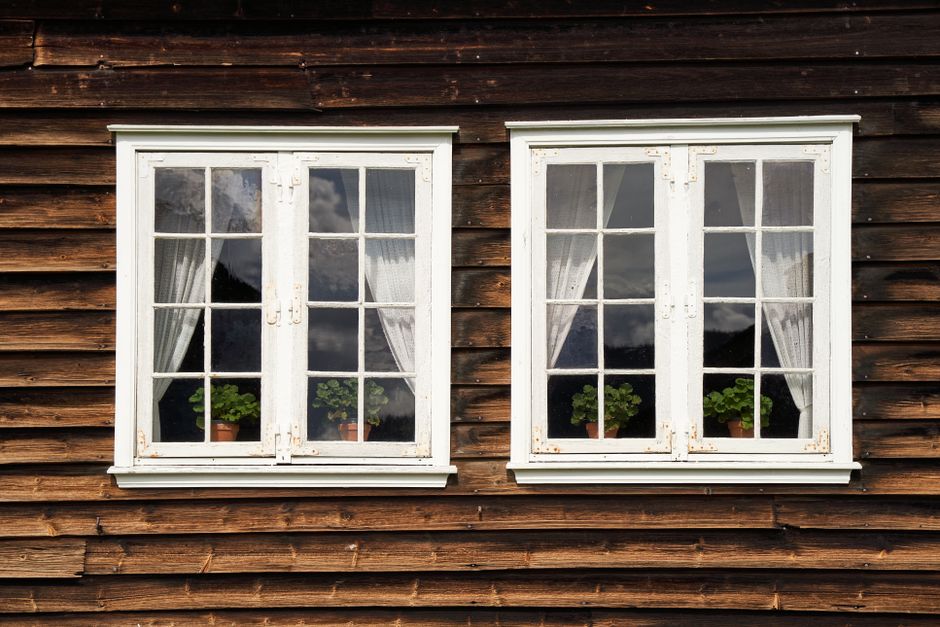
Stucco is the harder wall. The finish coat bonds to the frame edge, so removing a window can crack the surrounding plaster in a line that runs to the corner. Installers score the stucco with a blade first, then pull the unit toward the room instead of pushing it out, which keeps the damage inside a tight band. Flashing tape goes over the nailing fin and under the finish, and a bead of sealant at the stucco return keeps water from tracking behind it.
Lap siding
Siding is the most forgiving. The boards above the opening are lifted, the old fin comes off, and the new window is nailed in and taped before the boards go back. A vinyl window with a nailing fin suits this wall best, and any board cut for the job gets its edge sealed.
Flashing order
Water runs downhill, so the tape goes on in the same order: sill first, then the jambs, then the head. Each layer overlaps the one below it like shingles. A corner that leaks is almost always one where the head flashing went on before the jamb flashing. A wood window shows the damage within a season, and a clad window hides it longer.
Trim and finish
Interior trim is the part the homeowner sees every day. Installers reuse the interior stop where it is sound, or cut a new one to the same profile. On a brick wall near Mount Bonnell or a stucco wall in Tarrytown, the same rule holds: the work is judged by the line where the trim meets the wall, and a clean line says the flashing behind it was done right.
What the walk-through checks
The final walk-through repeats the test. A double hung sash slides, a casement latches, and the insulated glass is clean and free of marks. Sealant has no gaps.