Texas Summer Heat and Installing Windows
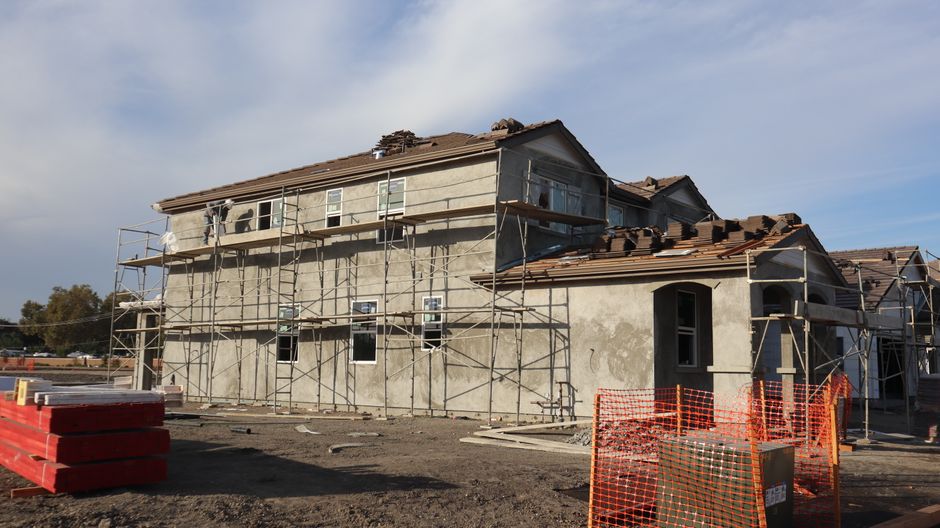
Six windows at forty minutes each is four hours, and the west wall always gets left for the cool end of the day. Heat sets the order of work on a window install in Austin, TX, as the log at window installers austin healthy home mkt shows. Sealant, foam and vinyl all behave differently at the end of a long July afternoon than at eight in the morning.
Sun on the west wall
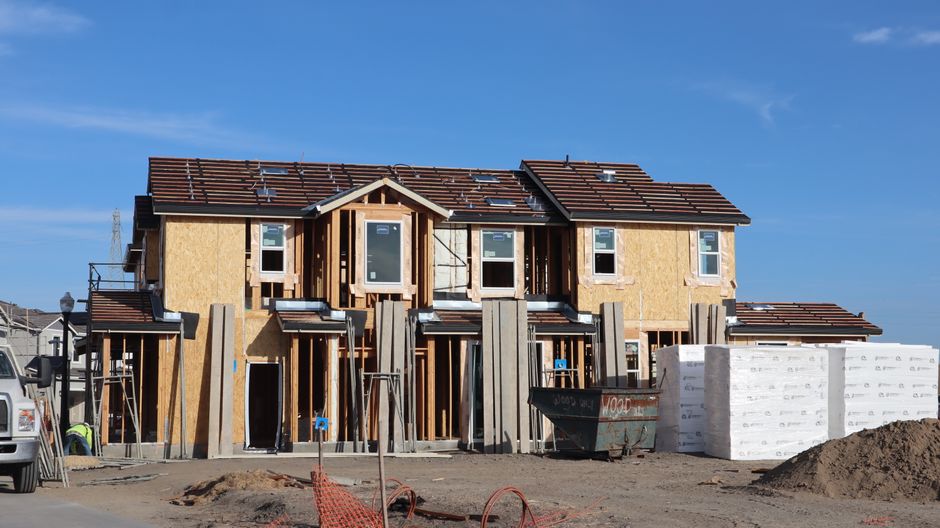
A wall facing west can reach a surface temperature well beyond the air temperature by late afternoon. Frames on that side expand, sealant skins over too fast, and a dark vinyl window can warp slightly while it sits unfastened in the sun. Crews open the west side first thing, or leave it for evening, and keep the new units shaded until the minute they go into the opening. Homes near Zilker Park and along Lady Bird Lake get the same sun and the same schedule.
Sealant and foam limits
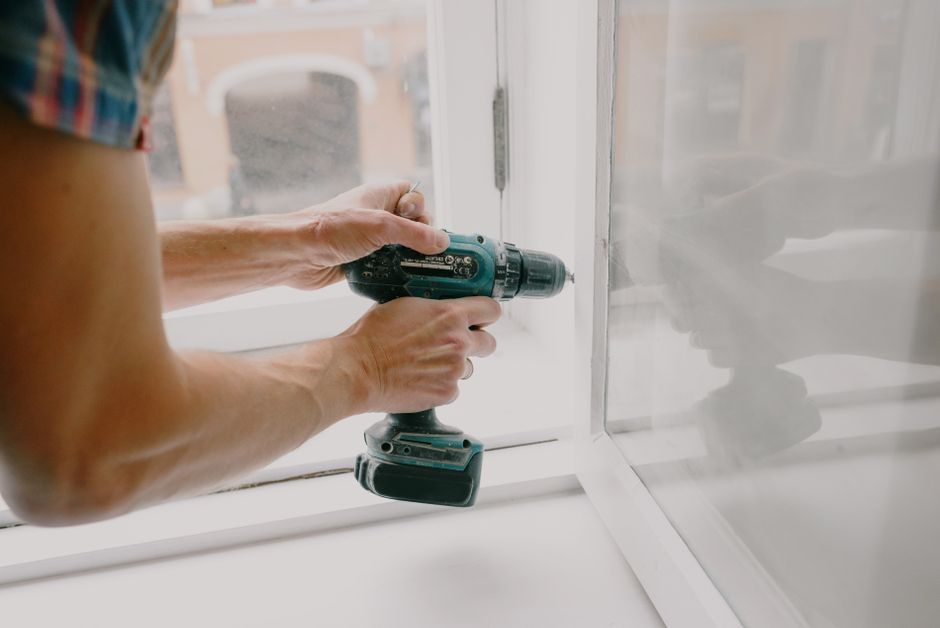
Every sealant and every can of low expansion foam carries a working temperature range printed on the label. Too hot and the product cures on the surface and not underneath. Too cold and it will not bond. Installers read the label, check the thermometer and move the job around the day. Foam goes in lightly, because it keeps swelling, and a heavy hand bows the jamb and jams a double hung sash.
Heat and the glass
Insulated glass in a Texas summer faces more than comfort. A low e coating and a warm edge spacer cut how much solar heat gain passes into the room, and the shgc rating tells how much. A seal failure shows up as fog between the panes, often first on the sunniest wall. A triple pane unit is rarely worth it in this climate, and a double pane with a good coating does most of the work.
Storm fronts and cold snaps
A front can roll in off the Texas Hill Country with an hour of warning. When one is coming, crews seal the opening for the night, tape the exterior, and hang plastic over any hole that is not closed. Winter freezes are rare, but when one comes a sash left open overnight is a real mistake, so the last job of the day is always closing up.
The walk-through in the heat
The final walk-through happens when the sun is high, because that is when the problems show: a sash that sticks as the frame warms, a latch that binds, a corner that glows with light. Pass those checks at three in the afternoon and the unit is likely sound for the season.